Most people think of preparedness as a destination — a point at which you've bought enough gear, stored enough food, and made enough plans to feel secure. It isn't. Preparedness is a condition, and like physical fitness, it degrades the moment you stop maintaining it.
The good news is that the maintenance isn't complicated. The ten practices below take minutes a day and compound into a level of readiness that no single weekend gear purchase can replicate. These are habits, not projects.
1. Do a Weather and Situational Check Every Morning
Before you open social media or email, spend two minutes with your local weather forecast and a reliable news source. Severe weather, civil unrest, infrastructure incidents, and natural disasters rarely appear without some advance signal. The person who's been tracking a developing storm system for 48 hours is in a fundamentally different position than the one who wakes up to a surprise evacuation order.
Make it a reflex. Coffee, weather, news — in that order, every morning.
2. Keep Your Vehicle Above Half a Tank
This is the single easiest preparedness habit with the highest immediate payoff. A vehicle below a quarter tank in an emergency is a liability. Gas stations are among the first infrastructure points to fail or become inaccessible in a wide-area emergency — long lines, power outages killing pumps, or road congestion making them unreachable.
The rule is simple: when you hit half a tank, you fill it. Not when it's convenient. Not when you're passing a station anyway. When it hits half.
3. Know Where Your Documents Are — Right Now
Passport, insurance cards, vehicle titles, medical records, prescriptions, emergency contacts. If you had to leave your home in ten minutes, could you grab them all? Most people couldn't. A single waterproof document pouch kept in a consistent location solves this entirely. Update it when documents change. Check it quarterly.
4. Rotate Your Emergency Water Supply
Stored water doesn't last forever. Commercial bottled water has a shelf life, and home-stored water in containers should be rotated every six months. Set a recurring calendar reminder. When you rotate, inspect your containers for cracks, residue, or anything that would compromise a seal. Replace what needs replacing. This takes twenty minutes twice a year and means your water supply is always fresh when you need it.
5. Practice One Skill Every Week
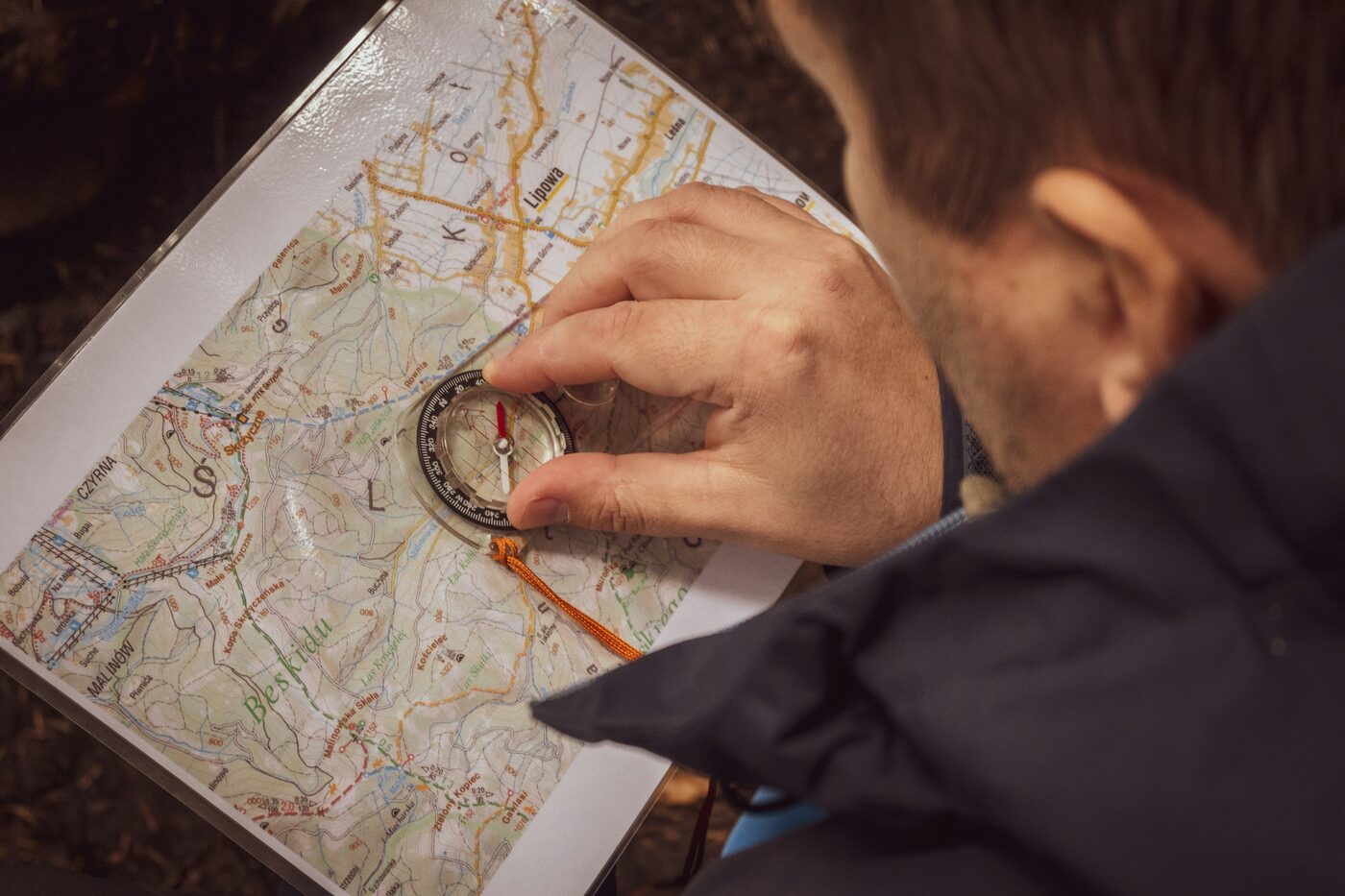
Owning a fire starter doesn't mean you can start a fire. Owning a compass doesn't mean you can navigate. Skills require practice, and practice requires repetition. Pick one skill per week — fire starting, knot tying, navigation, first aid, food preservation — and spend 20–30 minutes actually doing it, not reading about it.
Over a year, that's 52 skill sessions. The compounding effect on your practical capability is significant.
6. Check Your Gear Quarterly
Batteries die. Food expires. Medications pass their use-by date. Water filters need replacement cartridges. A bug-out bag that hasn't been opened in two years is not a prepared bag — it's a bag of surprises, and surprises in emergencies are rarely good ones.
Quarterly gear checks take an hour. Set them as recurring calendar events at the season changes — January, April, July, October. Open everything. Check expiration dates. Replace what's dead or expired. Test what needs testing.
7. Maintain a Running Supply Inventory
A notes app, a spreadsheet, or a physical notebook — whichever you'll actually use. Log your supplies, their quantities, and their expiration dates. When you use something, update the log. When you restock, update the log. The goal is to always know, without opening anything, what you have and how long it will last at normal consumption rates.
This eliminates the most common preparedness failure mode: thinking you're stocked when you aren't because you haven't checked in months.
8. Have a Conversation About the Plan — Regularly
Your emergency plan is only as good as your household's knowledge of it. If you're the only person in your home who knows where the bug-out bags are, where the water shutoff is, what the meeting point is if you get separated, or where you'd go if you had to leave — your plan has a single point of failure.
Have a brief household check-in on the plan every few months. Not a drill, not a lecture — a five-minute conversation. Where do we meet if the power goes out and we're separated? Where is the first aid kit? What's the plan if we need to leave quickly? Make sure everyone knows.
9. Stay Physically Capable
No amount of gear compensates for not being able to carry it. A bug-out bag weighs 30–40 lbs. Evacuation on foot may cover miles. Working under stress, without sleep, in extreme temperatures requires a baseline of physical fitness that a sedentary lifestyle doesn't provide.
This isn't about being an elite athlete. It's about being able to walk several miles with weight, lift and carry another person if needed, and function under physical and psychological stress. Regular walking, basic strength training, and getting outside are sufficient. Do them consistently.
10. End Every Day With a Quick Reset
Before bed: phone charged, car keys and wallet in their place, shoes accessible, a glass of water on the nightstand. It takes ninety seconds. In an emergency that begins at 3 a.m. — fire, earthquake, sudden evacuation — the person who wakes up knowing exactly where everything is has an enormous advantage over the one fumbling in the dark.
Readiness isn't a gear level or a food storage volume. It's a posture — a consistent orientation toward your environment that makes you harder to surprise and faster to act. These ten practices, done daily and weekly, build that posture one habit at a time.
